2024/2025 Fundraising Letter

Dear Colleagues and Supporters of the West African Calligraphy Institute,

As-Salamu ‘Alaikum wa Rahmatullahi wa Barakatuhu. Thank you for supporting the art of Arabic calligraphy, African artists, contemporary artistic movements from Africa, Islamic art, and the work of the West African Calligraphy Institute. We are presenting this letter in the hopes of finding a sponsor or sponsors to help us expand the capacity of the Institute.

The West African Calligraphy Institute was established in 2012 by internationally renowned artist and activist Yelimane Fall.  Since its inception, Mr. Fall and his partner Saliou Pelafas have designed and implemented numerous workshops, exhibitions, projects, lectures, and presentations across Senegal and the United States. Although Mr. Fall passed in 2019, the work of the Institute continues, led by Yelimane’s son and apprentice Fallou Fall and Mr. Pelafas. Our mission remains centered on community development through arts education, raising awareness of social issues in Senegal and abroad, and the empowerment of young people, all through the cultural preservation of Arabic calligraphic forms indigenous to West Africa.

Alhumdulilah, in 2023/2024 after significant acquisitions of Yelimane’s artworks by the University of North Carolina and the Boston Museum of Fine Arts, the Institute was able to fully acquire the rights to the land. The foundations for our building have already been laid. To complete the first floor, we need approximately $24,000 USD. The institute will serve as a research center, school, studio, and gallery space. The school will educate young people regarding the history and artistry of Arabic and West African calligraphy, while the research center will host international researchers, artists, and calligraphers to produce academic and creative works in the region. 

We at the West African Calligraphy Institute are guided by the teachings of Shaykh Ahmadou Bamba. Bamba emphasized non-violence, hard work, and education, and these values infuse all of our activities. Your support is a blessing from Allah, and directly empowers young people, Muslim people, African people, and Islam as a religion of understanding, knowledge, and peace. If you wish to assist or sponsor the institute please contact us to discuss further details and collaboration opportunities.  

You can also contribute by purchasing artworks or collections by Yelimane Fall, whose pieces are featured in esteemed institutions such as the Boston Museum of Fine Arts, the Ackland Museum at UNC Chapel Hill, the Fowler Museum at UCLA, Brown University, the University of Illinois, and others.

Should you have any inquiries, please reach out to Fallou Fall at message_foi@yahoo.fr or Saliou Pelafas at lampfall40@gmail.com. We appreciate your support, and may Allah’s blessings be with you and your family.

Sincerely,
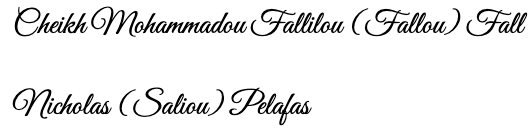
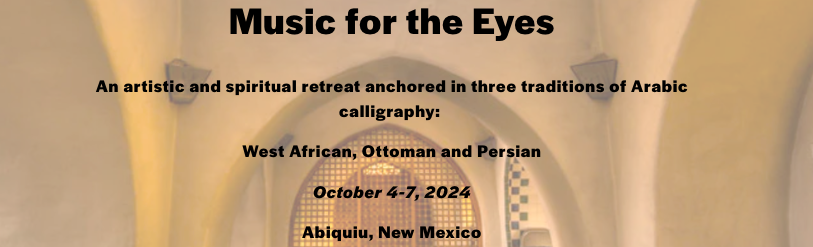
New Mexico Retreat, OCTOBER 2024

In conjunction with the Reed Society for Sacred Arts, the West African Calligraphy Institute would like to invite any and all to our inaugural calligraphy retreat and gathering at Dar al Islam in Abiquiu, New Mexico. As non-profit organizations we believe an important part of our mission is to build community around and through the sacred arts, including calligraphy. We envision this gathering as a way to broaden the scope of our work, embody inclusivity around the diversity of Islamic practices from around the world, and to engage those in calligraphy and Islamic art circles through practice and community. It is our hope that participants include interested persons, aspiring calligraphers, museum curators, academics, like-minded organizations, and in general people who would like to spend some intimate time with the calligraphic form or who already do so as a practice or for a living. Please check back here for updates to the itinerary.

To register for the retreat click here.

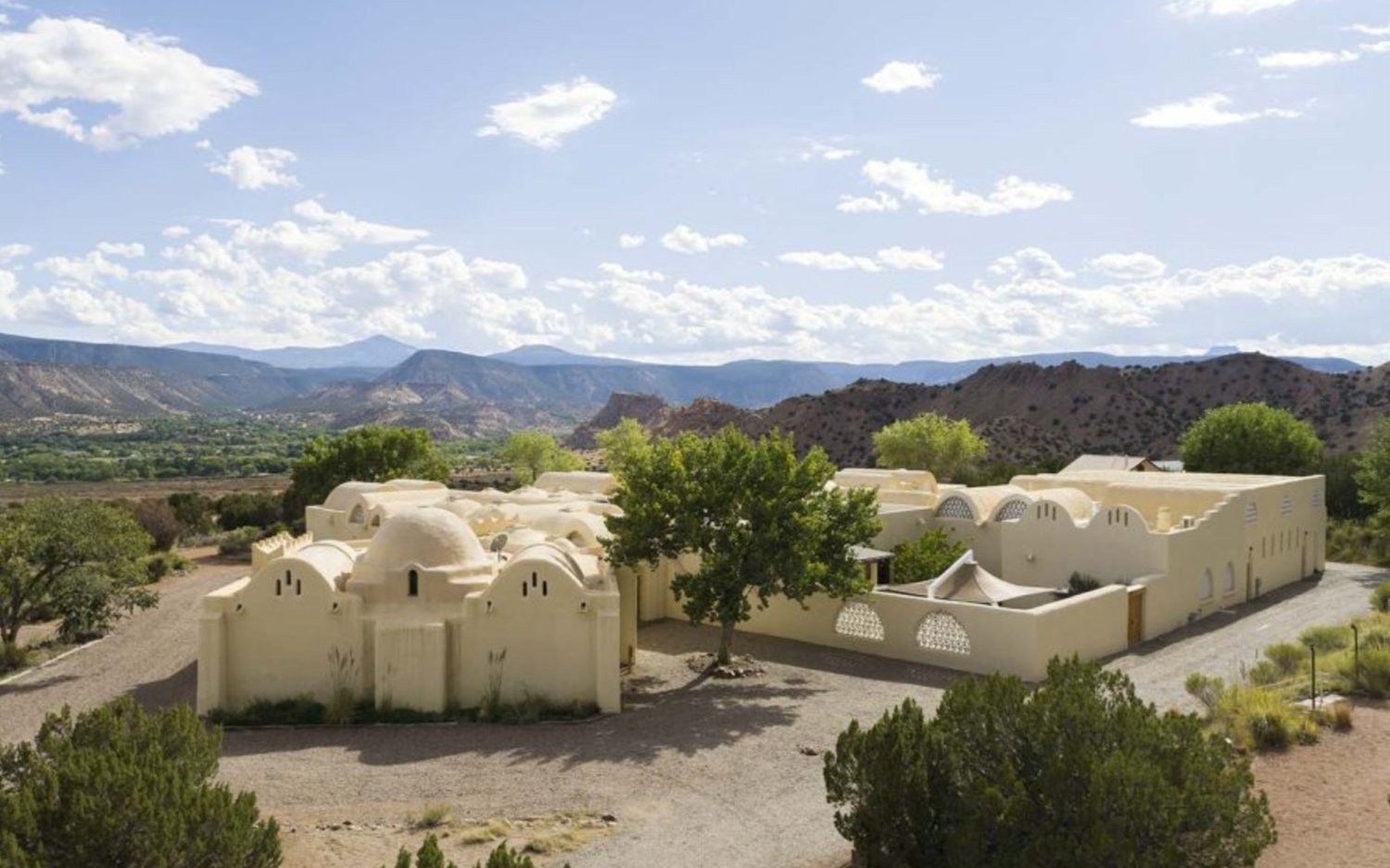
Dar al Islam, Abiquiu, NM
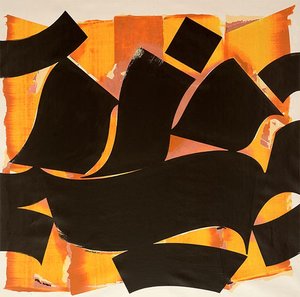
Featured artist: Nuria Garcia Masip
Featured artist: Bahman Panahi
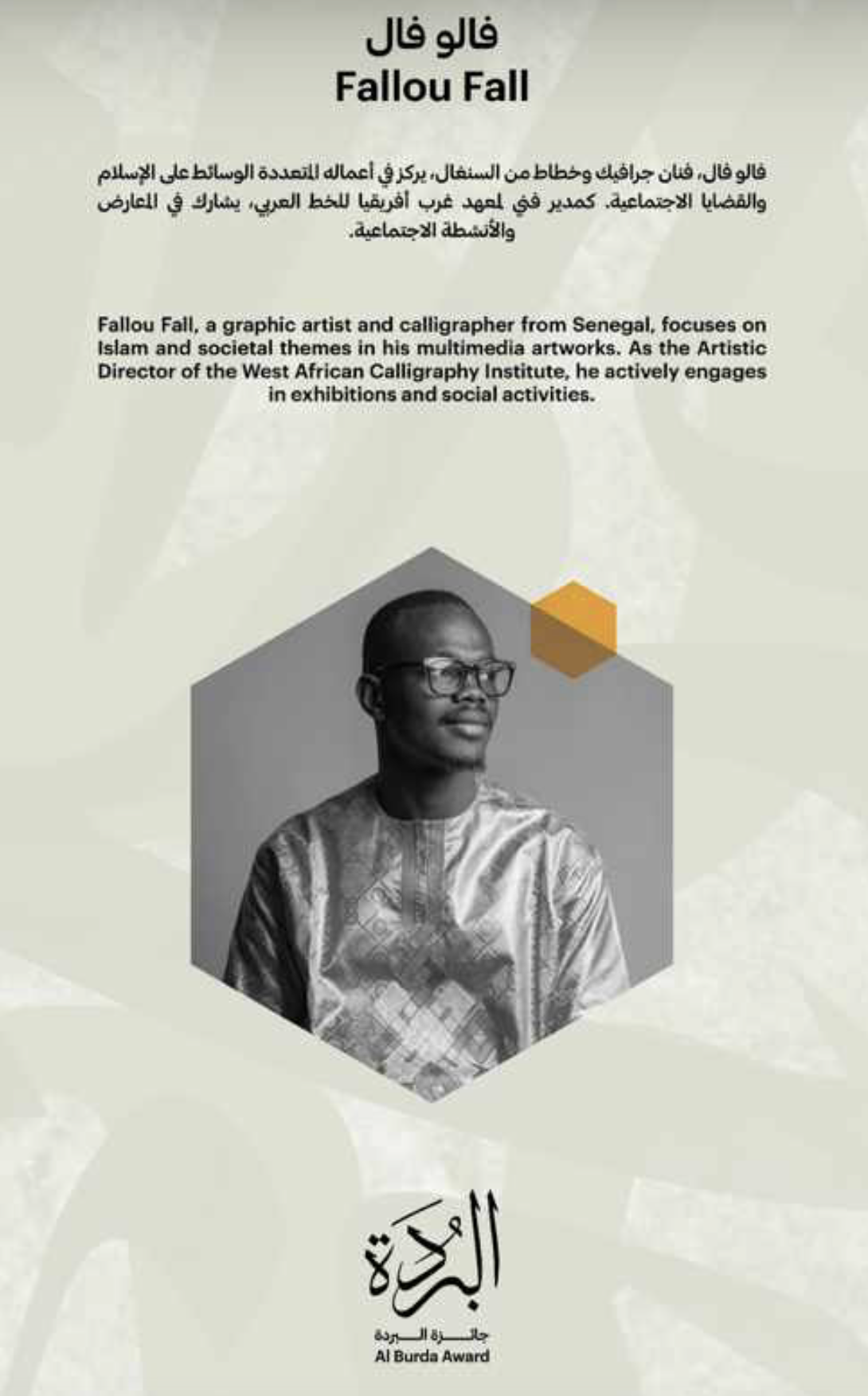
Featured artist: Fallou Fall

2023 Al Burda Award & Exhibition

Sheikh Abdullah bin Zayed, the Minister of Foreign Affairs, presented awards at the event. Photo: Al Burda Awards

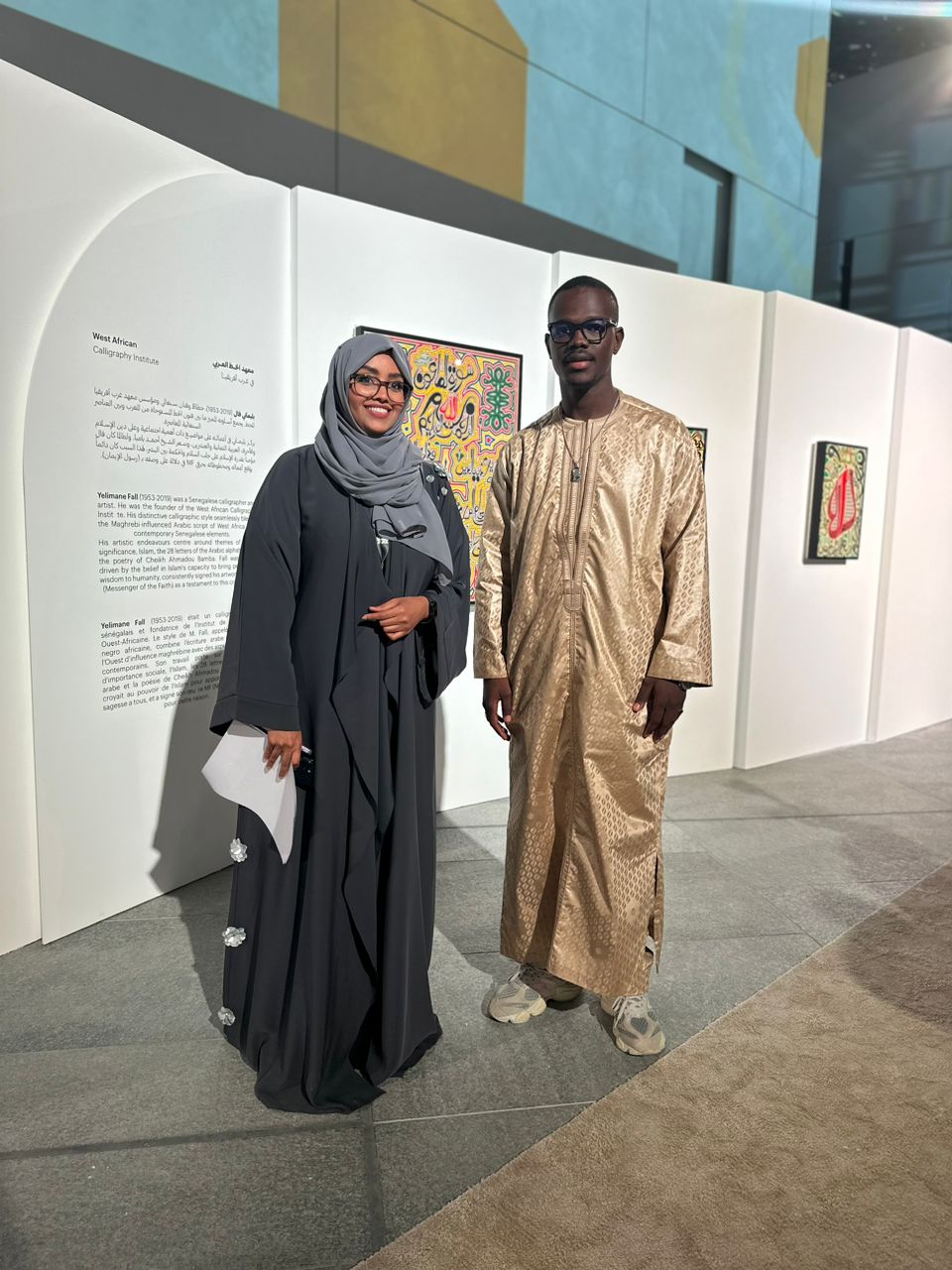
 This November and December it was our privilege to represent the Republic of Senegal as the Guest of Honor at the 17th Al Burda Awards, hosted by the Ministry of Culture and Youth of the United Arab Emirates. The West African Calligraphy Institute was recognized for its work in cultural sustainability and preservation in the art of Arabic Calligraphy. Fallou was invited to Abu Dhabi in November to represent the institute as a juror in the category of Modern Arabic Calligraphy.

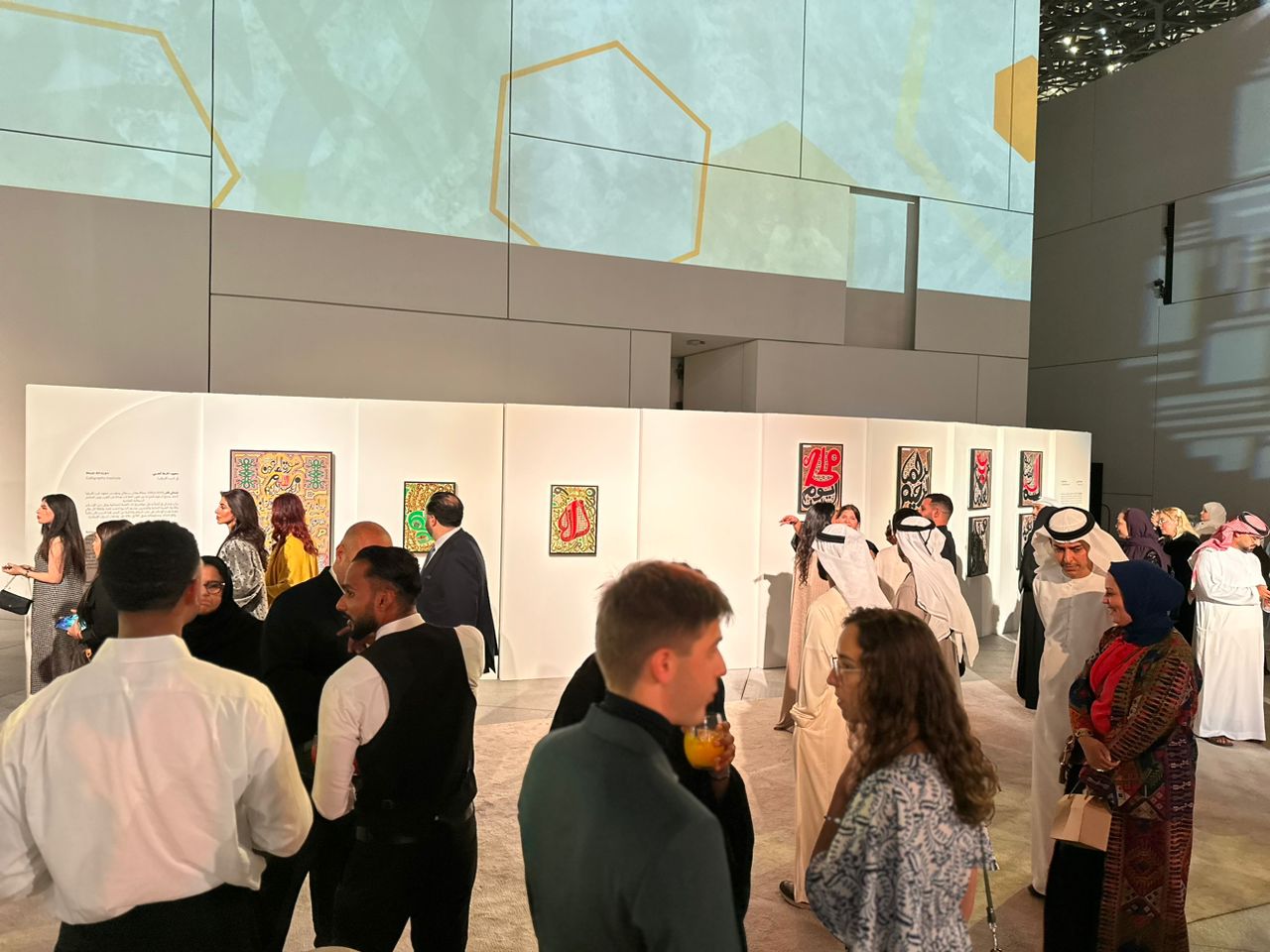
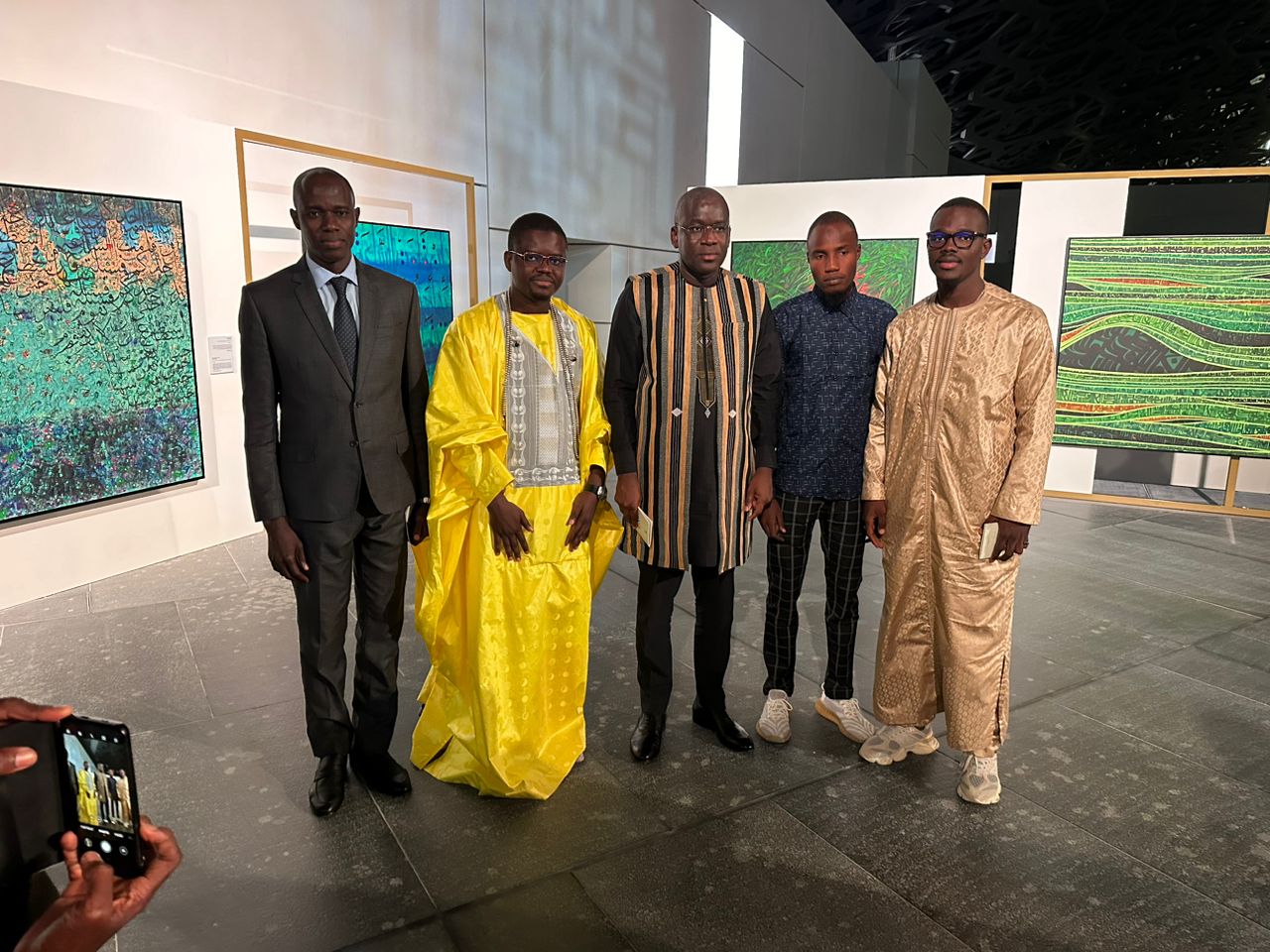
 On December 20, 2023 at the Louvre in Abu Dhabi, the Ministry of Culture and Youth hosted the Al Burda award ceremony. Fallou was present to receive the Al Burda award on behalf of the Institute, and we organized a well received exhibition of 11 of Yelimane’s artworks in the gallery where the ceremony took place. The evening was attended by many, including the Minister of Culture for the Republic of Senegal and other Senegalese artists. Alhumdulilah for this beautiful gathering of Islamic Art, artists, poets, calligrapers, and cultural ministers from around the world. We are grateful to Sheikh Abdullah bin Zayed, Mr. Mahmood Al Najjar, and all of the people that made this year’s awards and ceremony possible.

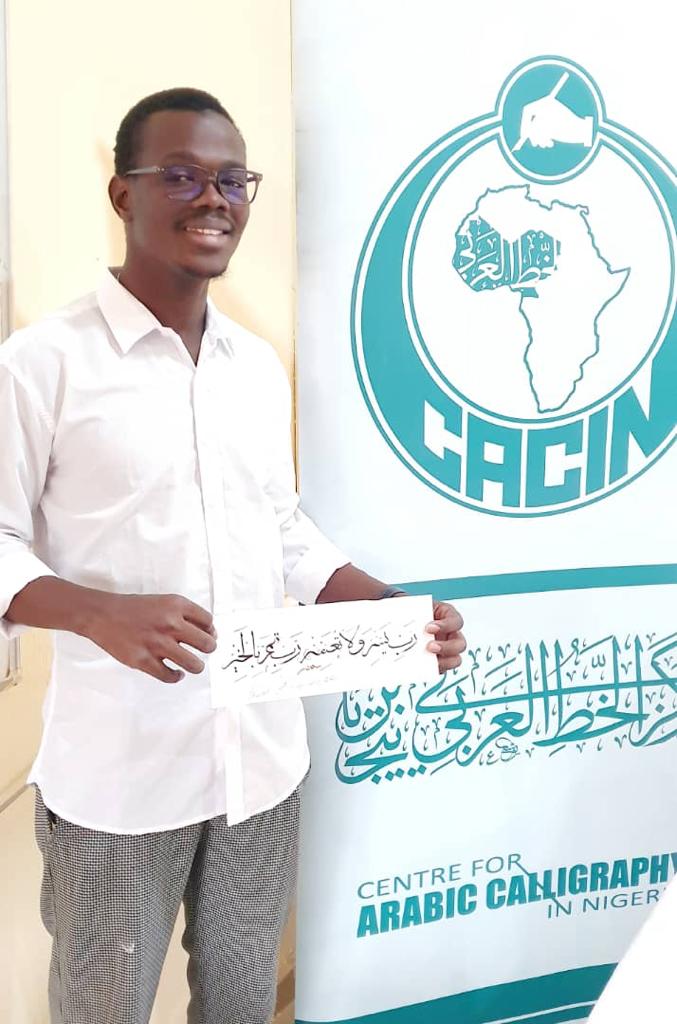
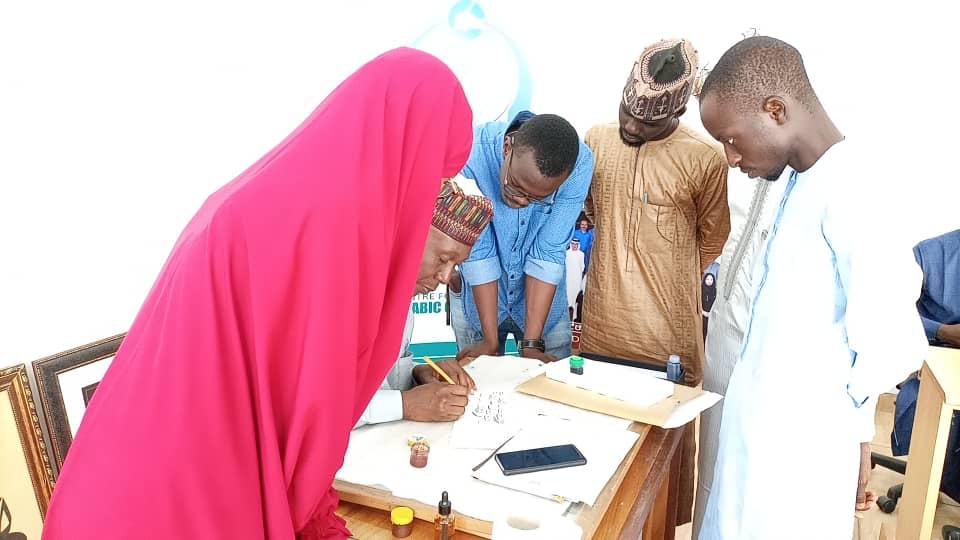
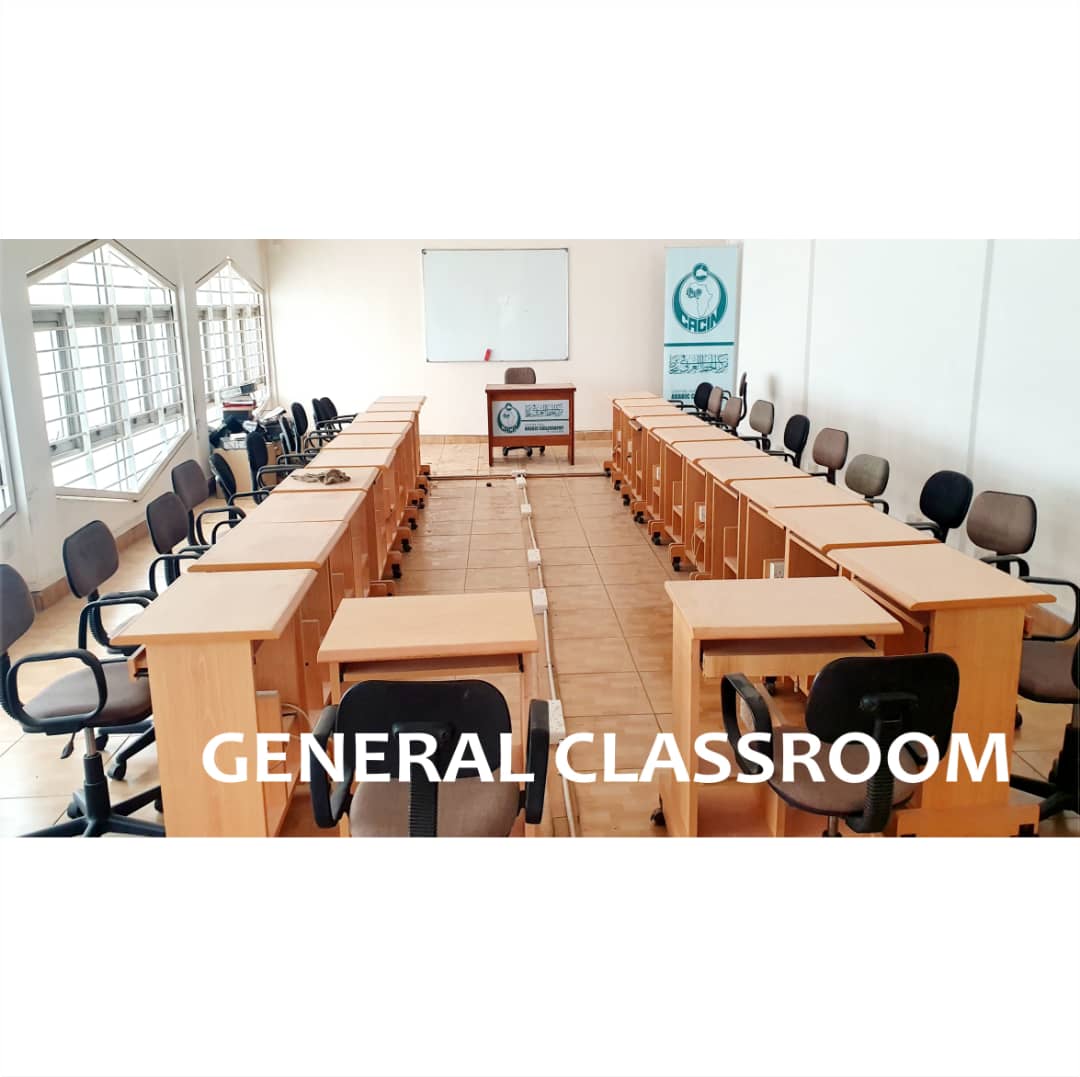
Centre for Arabic Calligraphy in Nigeria, West Africa

This is news and a shout out to our friend Yeshua Abdullahi doing great work for the art of calligraphy in West Africa. Hattat Yeshua is an esteemed calligrapher, artist, teacher, master of the Tuluth and Naskh scripts, and empowerer of West African calligraphy and calligraphers. He created the first school for writing in the Ottoman style in West Africa, the Research Center for Islamic Art, History, and Culture (the IRCICA) Regional Calligraphy Center in Kaduna, Nigeria. He is doing important work to forge the next generation of West African calligraphers.

From September to December 2022, Fallou travelled to Nigeria to study the Tuluth and Naskh scripts with Hattat Yeshua. We are also laying the foundations for future collaboration, and we thank Mr. Abdullahi for his hospitality, wisdom, and work. We also wish a big congratulations on graduating the first class from the school! May Allah bless Hattat Yeshua and all of his students, and may their beautiful calligraphy bring peace to whomever sees it!

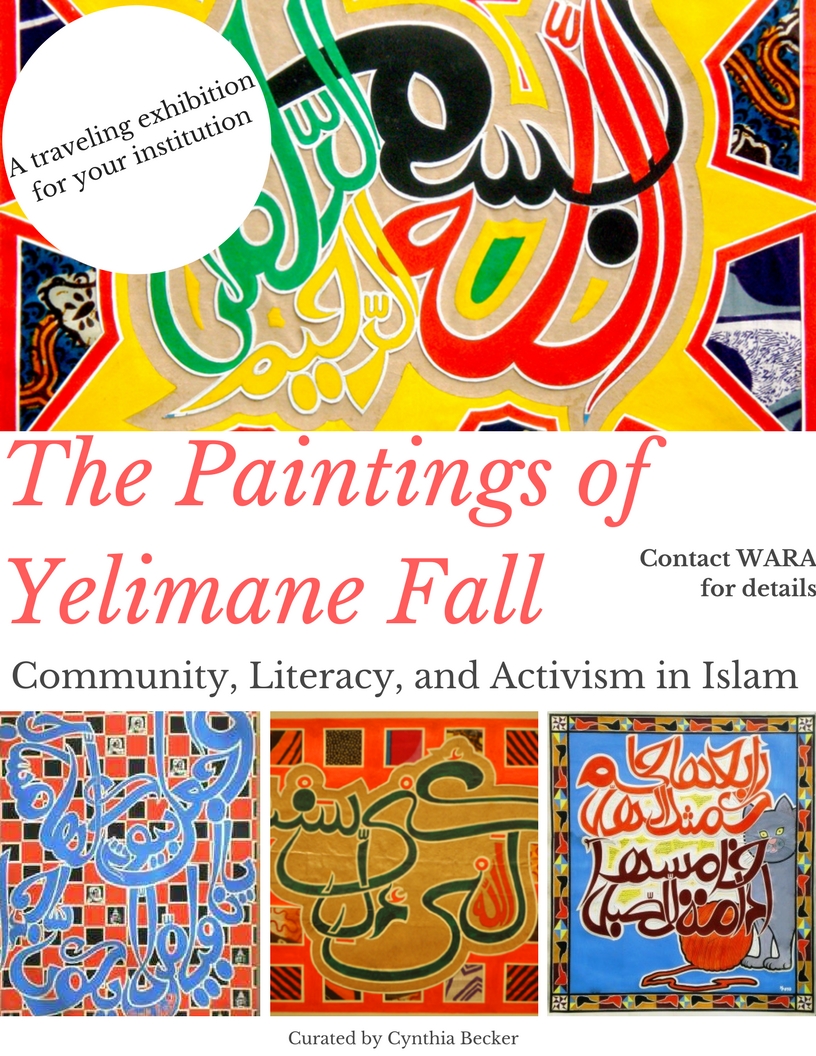
The Paintings of Yelimane Fall: Community, Literacy, and Activism in Islam

AD for ASA.jpg

The exhibition The Paintings of Yelimane Fall: Community, Literacy, and Activism in Islam was put together at the West African Research Association. After premiering at Boston University, in winter of 2017 it was exhibited at Lafayette College in Easton, PA. It is now available to be shown at participating institutions, with costs going to support Yelimane Fall/West African Calligraphy Institute and the West African Research Association.

From the exhibition:

Senegalese artist and community activist Yelimane Fall has a unique calligraphic style that reflects a vibrant West African aesthetic. His work draws on the teachings of Shaykh Ahmadou Bamba, the founder of the Mouride Sufi order in Senegal, and focuses on the values of tolerance, self-reliance, and hard work. He also uses Ajami, the Arabic alphabet adapted for writing West African languages, which appeals to wide local audiences throughout West Africa.

The show opens up discussions of Africa, religion, and community, providing a much-needed positive portrayal of the region through modern, familiar, and captivating imagery.

Contact WARA today to learn how you can bring Mr. Fall’s vibrant images to life in your institution.

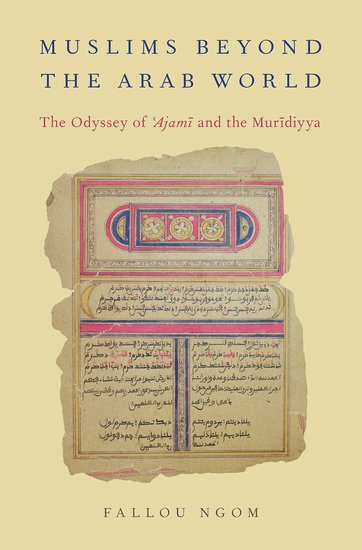
The Odyssey of Ajami and the Muridiyya

9780190279868

Editorial Reviews

“[T]he book is essential reading for advanced scholars of the Muriýdiyya or Islam in Africa and it will be key to the scholar who constructs the regional odyssey of Ajamiý that is, the sociohistorical emergence of West African vernacular language literacy in Muslim contexts.”–Religious Studies Review

“For those who wish to make sense of recent events in West Africa, Ngom’s book is an excellent place to begin. He corrects many false images of Africa as a continent without writing and demonstrates the dangers of relying exclusively upon oral culture and colonialist-written sources alone. Ngom’s book has set a new standard for African studies.”–Reading Religion

“Fallou Ngom’s Muslims beyond the Arab World is a brilliant demonstration that Islam in Sub-Saharan Africa is not peripheral to a Muslim world centered on Arab societies: it is its own center and has produced throughout the centuries an important literature in Arabic, but also often in ‘Ajami, that is, texts written in the local languages adapting and using the Arabic script. Fallou Ngom’s work is centered on the ‘Ajamization of Islamic sciences and literature by Muslim scholars who authored important texts in Wolof, in poetry and in prose, following the recommendation of Shaykh Ahmadu Bamba, the founder of the Muridiyya Sufi order. Ngom’s book makes manifest that Islam is one and plural, that it speaks Arabic, the language of the Qur’an, but other Islamic languages as well, Wolof being one great example eloquently presented here as a language of written erudition.” -Souleymane Bachir Diagne, author of African Art as Philosophy: Senghor, Bergson and the Idea of Negritude

“This ‘Ajami odyssey makes a signal contribution to the study of Islamic thought in Africa and beyond. Ngom skillfully illustrates how the Muridiyya Sufi order has used African languages materials to make meaning and history, thereby becoming one of the most dynamic Islamic movements in the world today. By focusing on how Murids have articulated and embodied a unique vision of the past deeply rooted in humanistic values of peace, service, and ethics, Ngom also casts precious light on the development of vernacular languages, cultures, and historicities throughout the Muslim world.”-Rudolph T. Ware, Associate Professor of History, University of Michigan

About the Author

Fallou Ngom is Professor of Anthropology and Director of the African Studies Center at Boston University. His research interests include the interactions between African languages and non-African languages, the adaptations of Islam in sub-Saharan Africa, and ‘Ajami literatures-records of African languages written in Arabic script. He has held Fulbright, ACLS/SSRC/NEH, and Guggenheim fellowships.

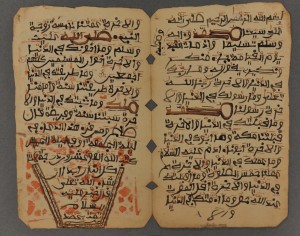
Archival records from Digital preservation of Wolof Ajami manuscripts of Senegal (EAP334)

From The British Library Endangered Archive Programme:

img-2The project team successfully digitized 5,494 pages, copying 29 manuscripts from 15 collections. The manuscripts primarily consist of Wolofal (Wolof Ajami) materials written by the members of the Muridiyya Sufi order founded in Senegal in 1883. The archival materials remain in the homes of the owners. Three copies were made and have been deposited at WARC (West African Research Center), the British Library and Boston University’s digital repository.

Read online the open access article: Murid Ajami sources of knowledge: the myth and the reality, published in the EAP Anniversary publication From Dust to Digital.

The records copied by this project have been catalogued as:

  • EAP334/1 Fallou Ngom Collection
  • EAP334/2 Serigne Ndiame Diajkhate Collection
  • EAP334/3 Amdy Moustapha Seck Collectionimg-3
  • EAP334/4 Serigne Mbaye Diakhate Siradji Collection
  • EAP334/5 Serigne Mouhammadou Masokhna Lo Collection
  • EAP334/6 Serigne Mbaye Nguirane Collection
  • EAP334/7 Mor Awa Thiobane Collection
  • EAP334/8 Mouhammadou Makhtar Mbodj Collection
  • EAP334/9 Cheikh Fall Kayre Collection
  • EAP334/10 Serigne Bassirou Kane Collection
  • EAP334/11 Cheikh Lo Collection
  • EAP334/12 Birane Gassama Collection
  • EAP334/13 Serigne Abdoulaye Sarr Collection
  • EAP334/14 Serigne Mame Mor Kayre Collection
  • EAP334/15 Baye Cherif Ndiaye Collection

West African Arabic Manuscript Database

A database/union catalogue of Arabic and Arabic-script writing from West Africa.

What is AMMS?

[The Arabic Manuscript Management System]

ArabicMS2049_BT03amened-sxkqc5-300x236

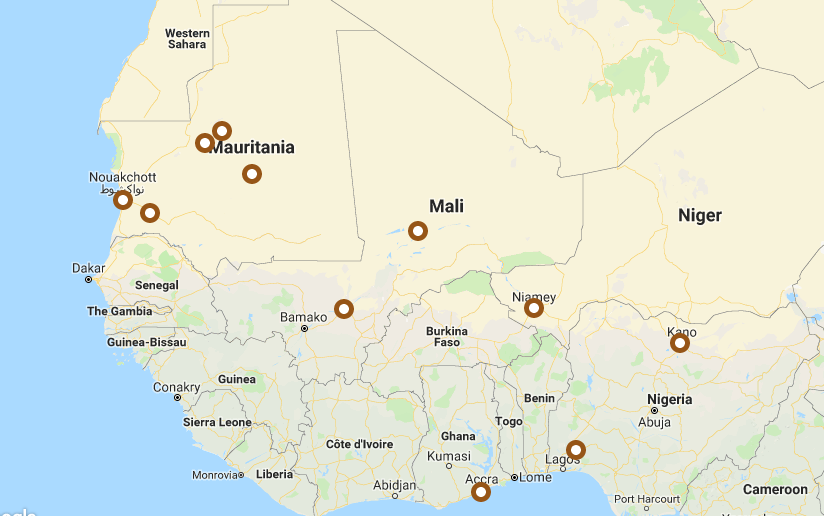
AMMS is a bi-lingual database that was originally developed at the University of Illinois in the late 1980s to describe a collection of Arabic manuscripts in southern Mauritania (Boutilimit). Subsequently, seven other West African collections have been entered, including the manuscript libraries at the Institut Mauritanien de Recherche Scientifique, Nouakchott; Northwestern University; the original hand-list of manuscripts at the IHERIAB (Centre Ahmad Baba) repository in Timbuktu; the library of al-Hajj `Umar conserved at the Bibliothèque Nationale, Paris; and a number of print catalogues from West Africa published by al-Furqan Islamic Heritage Foundation. For more information on the activities and publications of the Foundation and these catalogues visit http://www.al-furqan.com. Additional collections are being added to further enhance the data base as both a resource and an authority file for the identification of manuscripts.

The database is comprised of five interactive data sets: the manuscript records, their authors, the authors’ nisbas, subjects, and the collections themselves. It has a search engine designed to identify manuscripts and authors when only fragmentary information is available, in Arabic or Latin characters. Experimental linkage of digital images of manuscript texts to the records is currently underway.

Screen Shot 2018-07-03 at 10.33.28 AM

Manuscript collections included: Boutilimit Ahl Sidiyya 1992 cat.
Ghana Northwestern U. 2008
Ibadan Furqan cat. # 37, 2001
Kano Northwestern U. 1991
Niamey IRSH 1979 cat.
Nouakchott IMRS 1992 cat.
Segou CNRS 1985 cat.
Shinqit Furqan cat. # 7, 1997
Timbuktu CEDRAB 1991
Wadan Furqan cat. # 7, 1997
ALA V Arabic Literature of Africa series, volume 5

The database and the AMMS cataloguing input tool are publicly available at no cost to users. Manuscript curators interested in using the input system developed for AMMS are encouraged to write to the editors to request access to data input forms. Thirty-odd fields in Arabic and English cover all the descriptors normally employed in manuscript work and we encourage the inclusion of newly-catalogued material into the main database; please contact the editors. Spreadsheet entries for transfer into AMMS can be made here.

Funding for the development and elaboration of AMMS during the past 25 years has been provided by the National Endowment for the Humanities, the University of Illinois at Urbana-Champaign, The Johns Hopkins University, al-Furqan Islamic Heritage Foundation, and Duke University.

Historical Context: Notes on the Arabic Literary Tradition of West Africa